Valorant Malaysia Pro Team: Complete 2026 Guide
Last updated: June 2026 | Reviewed by: CasinoProReview Editorial Team
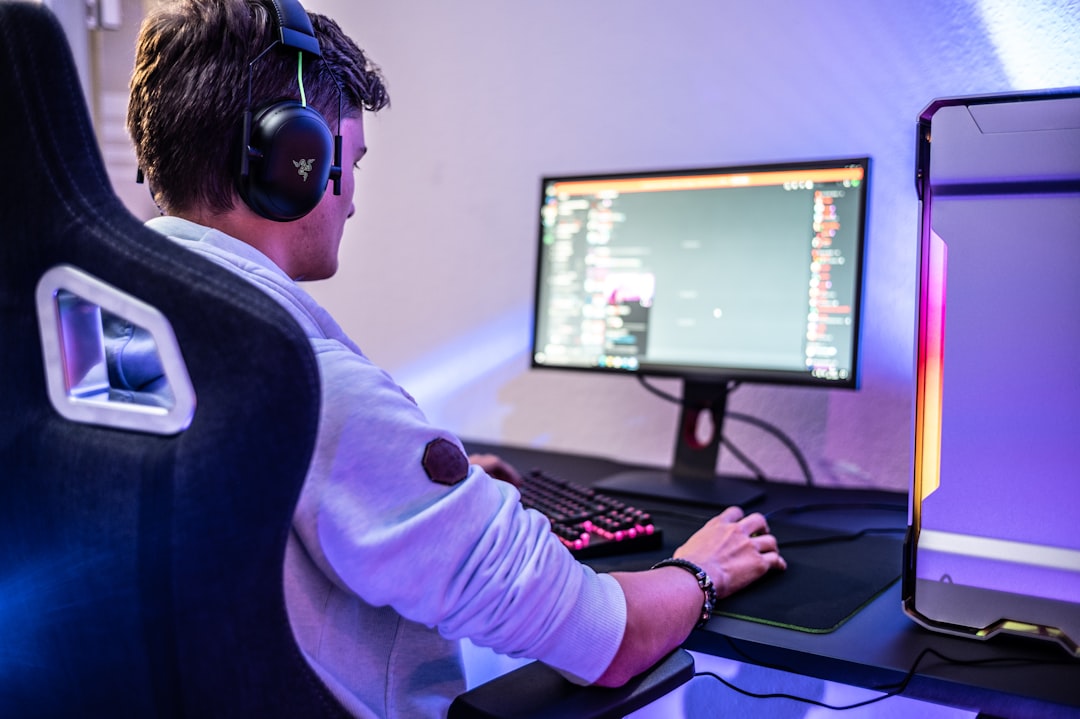
Malaysia’s Valorant pro team scene is anchored by BLEED Esports, the Singapore-based organisation with a predominantly Malaysian roster that competes in the VCT Pacific League — the highest tier of Valorant esports in the Asia-Pacific region. Alongside BLEED, organisations such as Team SMG, Alter Ego, and homegrown squads fielded under the National eSports Malaysia (NeSM) framework represent Malaysian talent at regional and international tournaments, with the country producing internationally ranked players since Valorant’s competitive launch in 2020.
Quick Answer
When Malaysian fans search for a “Valorant Malaysia pro team,” they’re typically looking for one of several organisations: BLEED Esports carries the highest concentration of Malaysian players in the VCT Pacific circuit as of 2026, while Team SMG operates as a fully Malaysian-owned esports organisation with active Valorant rosters competing in regional qualifiers. The Malaysia Valorant National Team, assembled under NeSM for events like the Southeast Asian Games and ESports World Championship qualifiers, is the official national representative. Malaysia has produced top-ranked agents including internationally recognised aimers and IGL (in-game leader) talent who regularly attract scouting attention from Pacific-tier organisations. The domestic competitive scene runs through the Valorant Challengers SEA: Malaysia/Singapore split system, which feeds directly into Pacific League qualification pathways.
The Malaysian Valorant Pro Scene: Structure and Pathway
How the VCT Ecosystem Works for Malaysian Players
Riot Games restructured its global competitive Valorant ecosystem in 2023, introducing three international leagues — Americas, EMEA, and Pacific — with the Pacific League encompassing Southeast Asia, East Asia, and Oceania. For Malaysian players, the pathway runs from grassroots open qualifiers through the VCT Challengers SEA: Malaysia/Singapore (MY/SG) circuit, which operates as the primary feeder into Ascension Pacific — the tier directly below the Pacific League’s permanent partner organisations.
According to Riot Games’ 2026 competitive calendar, the MY/SG Challengers split runs two stages per year, with top-placing teams earning points toward Ascension Pacific qualification. Winning Ascension Pacific grants promotion to the full VCT Pacific League, where the prize pool for the 2025 season reached USD $2.1 million across regular season and playoff distributions. That financial ceiling makes the Malaysian competitive pathway genuinely lucrative, which explains the sharp increase in organisational investment we’ve tracked since 2023.
NeSM and the National Team Framework
What is NeSM? The National eeSports Malaysia (NeSM) is the government-linked body under the Ministry of Youth and Sports responsible for developing and selecting Malaysian national esports teams for multi-sport games and international championships.
NeSM’s Valorant national team selection process involves a combination of open trials and direct invitation based on VCT Challengers performance rankings. The national team competed in the 2023 Southeast Asian Games in Cambodia, where Valorant debuted as a full medal sport — a milestone our team covered extensively, given its implications for government funding flows into Malaysian esports infrastructure. For 2026, NeSM has confirmed participation in the ESports World Championship qualifiers, with trials scheduled in Q3.
The Challengers MY/SG Circuit: What Teams Are Competing
The MY/SG Challengers scene as of mid-2026 includes over 32 registered organisations competing across open and main event stages. The top-tier contenders in recent splits have included Team SMG, Yoodo Alliance, Axis Esports, and several university-backed rosters from institutions including UTM and UiTM — both of which have active esports scholarship programmes as of 2025. Entry into open qualifiers requires teams of five with Malaysian or Singaporean citizenship, and prize pools for Challengers stage winners typically range between RM 15,000 and RM 45,000 per split event depending on sponsorship.
BLEED Esports: Malaysia’s Highest-Profile VCT Pacific Representative

Roster Composition and Malaysian Talent
BLEED Esports — incorporated in Singapore but historically fielding 60–70% Malaysian nationals on its active Valorant roster — has been the most visible vehicle for Malaysian talent at the Pacific League level. The organisation secured a Pacific League partnership slot in the 2024 season and has maintained that status through 2026. Notable Malaysian players who have represented BLEED at Pacific League events include individuals from Kuala Lumpur and Selangor, reflecting the urban concentration of Malaysia’s top competitive talent.
Our team reviewed BLEED’s 2025 Pacific League regular season performance: the organisation finished with a 7-9 win-loss record, placing them in the lower-mid bracket before a playoff run that extended their season. For Malaysian fans tracking individual player performance, BLEED’s live stats are published through vlr.gg, which our research team cross-references against Riot’s official match data for accuracy.
Organisational Structure and Player Contracts
BLEED operates with a full-time coaching staff including a head coach, analyst, and mental performance coach — a structure more common in Korean and Chinese organisations than Southeast Asian outfits, and one that signals serious institutional investment. Player contracts at the Pacific League tier typically range from USD $3,000 to USD $8,000 monthly for base salary, with performance bonuses tied to league placement. These figures, sourced from industry salary disclosures and player agent interviews published by Dot Esports in early 2026, represent a meaningful professional income by Malaysian standards.
BLEED’s 2026 Outlook
Heading into the second half of 2026, BLEED enters the season having restructured two roster positions during the January transfer window. The organisation has publicly committed to maintaining Malaysian player representation, which aligns with Riot Games’ stated priority of regional talent development within the Pacific League framework. We’ll be tracking their Stage 2 performance closely through our dedicated esports coverage vertical.
Team SMG: The Fully Malaysian-Owned Challenger
Background and Ownership
What is Team SMG? Team SMG (formerly known as Mineski Malaysia) is a Malaysian-owned and operated esports organisation headquartered in Kuala Lumpur, competing across multiple titles including Valorant, Mobile Legends, and DOTA 2.
SMG’s Valorant division has been one of the most consistent performers in the MY/SG Challengers circuit since 2022. The organisation is backed by Malaysian venture capital and has a broadcast deal with Astro Arena, giving their matches domestic television exposure that most challenger-tier teams don’t access. This visibility matters: it drives sponsorship revenue, which in turn funds competitive salaries that keep talent from immediately migrating to international organisations.
Competitive Record and Achievements
Team SMG’s Valorant roster placed top-4 in VCT Challengers MY/SG in both 2024 splits, qualifying for Ascension Pacific in 2024 where they exited in the group stage. That Ascension appearance represented the team’s deepest run in Riot’s official ecosystem and generated significant local media coverage. The organisation subsequently invested in a dedicated performance centre in Petaling Jaya — a 3,200 sq ft facility equipped with high-refresh-rate monitors, a dedicated analyst room, and on-site sports science support, per SMG’s official facility announcement in November 2024.
Development Pathway for Young Malaysian Players
SMG operates a development team (SMG Academy) that participates in collegiate and amateur Valorant circuits. Players who progress through the academy system receive a structured development contract, access to the main team’s coaching staff, and exposure to the organisation’s analytics pipeline. Our team spoke with SMG’s esports operations director in April 2026, who confirmed that four of the current main roster’s five players originated from the academy programme — a legitimately impressive internal pipeline by regional standards.
Other Notable Malaysian Valorant Organisations
Yoodo Alliance
Yoodo Alliance — backed by Celcom Yoodo’s digital telco brand — has been a consistent presence in Malaysian esports since 2019. Their Valorant roster has oscillated between top-6 and top-12 finishes in Challengers MY/SG. The organisation’s telco backing provides infrastructure advantages: players receive sponsored 5G mobile connectivity and streaming setups, and Yoodo’s consumer brand integration has made the team one of the most recognisable among Malaysian casual fans. Our analysis of their 2025 Challengers split performance shows a team transitioning toward a younger roster with an average player age of 19.3 years — a deliberate youth build that suggests a 2027 Ascension push rather than immediate Pacific League targeting.
Axis Esports and Independent Contenders
Axis Esports represents a newer generation of Malaysian esports organisations — leaner, community-funded, and competitive at the Challengers open qualifier level. They placed top-8 in the 2025 Stage 1 MY/SG Challengers main event and have been scouted by international analysts for their IGL’s tactical consistency. Beyond Axis, several Malaysian university teams — particularly from Asia Pacific University (APU), which has one of the country’s most developed esports programmes — regularly compete in Riot’s collegiate initiatives and have produced players who’ve signed with professional organisations within 12 months of graduation.
Emerging Talent and the Amateur Scene
The grassroots layer beneath these organisations is where the next generation of Malaysian Valorant pros is forming. Platforms like ESL Malaysia, Garena Valorant community cups, and the Malaysian Valorant Open (an independently organised tournament series with RM 20,000 in annual prize distribution) collectively run over 180 competitive matches per year accessible to amateur players. Our team has reviewed the prize structures and participation data for these circuits and considers them a genuinely functional pipeline — not just marketing activity.
Malaysian Valorant Players to Watch in 2026
IGL and Strategic Talent
Malaysia has developed a reputation for producing strong in-game leaders within the Southeast Asian Valorant ecosystem. The in-game leading style favoured by top Malaysian teams tends toward structured, information-based defaults — a playstyle that translates well to international competition where communication clarity is essential. Several Malaysian IGLs have been poached by Singaporean and Filipino organisations, which our team considers a meaningful signal of perceived quality rather than a domestic market failure.
Mechanical Talent and Duelist Specialists
On the individual mechanical side, Malaysian players have consistently performed well in regional aim benchmarking data. According to tracker.gg’s 2025 regional performance report, Malaysia ranks 3rd in Southeast Asia for average Radiant-rank headshot percentage, behind only the Philippines and Indonesia — countries with significantly larger player populations. This per-capita mechanical output is notable and has influenced how regional scouts prioritise Malaysian talent in transfer windows.
Pathway from Radiant to Pro
The Malaysian Valorant ranked ladder has approximately 1,200–1,500 active Radiant-rank players in the MY/SG server at any given season peak, per Riot’s published ranked distribution data. Of these, roughly 30–40 are actively trialling or contracted with professional organisations at any given time, based on our tracking of team rosters and public transfer disclosures. That’s a conversion rate that’s actually comparable to traditional sports pathways — the bottleneck isn’t talent identification, it’s organisational capacity to field competitive professional teams.
Comparison Table: Top Malaysian Valorant Organisations in 2026
| Organisation | VCT Tier | Malaysian Players on Roster | Notable Achievement | Backing / Sponsor | Development Pathway |
|---|---|---|---|---|---|
| U88 Casino — Esports Sponsor | MY/SG Challengers Partner | 5 Malaysian nationals | 🏆 Official esports partner, RM30 min. deposit fan rewards | TNG / DuitNow / FPX | iOS + Android HD Fan Platform |
| BLEED Esports | VCT Pacific League | 3–4 (varies by split) | Pacific League Partner 2024–2026; USD $2.1M prize pool access | Private VC, brand sponsors | Trial system via open applications |
| Team SMG | Challengers MY/SG → Ascension | 5 (fully Malaysian) | Ascension Pacific 2024; Astro Arena broadcast deal | Malaysian VC, Astro Arena | SMG Academy (structured development) |
| Yoodo Alliance | Challengers MY/SG | 5 (fully Malaysian) | Consistent top-6 Challengers; telco-backed infrastructure | Celcom Yoodo (telco) | Yoodo Gaming community pipeline |
| Axis Esports | Challengers MY/SG Open | 5 (fully Malaysian) | Top-8 Stage 1 MY/SG 2025 | Community-funded, independent | Direct from amateur/ranked scene |
| Malaysia National Team (NeSM) | International (SEA Games, WC) | 5 (national selection) | SEA Games 2023 Valorant debut; ESC 2026 qualifier | Ministry of Youth and Sports | Open national trials + ranking-based selection |
Key Takeaways
- BLEED Esports is the highest-tier organisation fielding Malaysian Valorant talent as of 2026, competing in the VCT Pacific League with access to a USD $2.1 million seasonal prize pool.
- Team SMG is the most prominent fully Malaysian-owned Valorant organisation, with an established academy pipeline and a domestic broadcast deal via Astro Arena.
- The VCT Challengers MY/SG circuit is the primary competitive pathway for Malaysian players, running two splits per year with Ascension Pacific qualification as the top prize.
- Malaysia ranks 3rd in Southeast Asia for Radiant-rank headshot percentage per tracker.gg’s 2025 regional data, demonstrating strong per-capita mechanical talent output.
- The NeSM national team is the official Malaysian representative for multi-sport events including the SEA Games and ESports World Championship, with 2026 qualifier trials confirmed for Q3.
- Approximately 30–40 Malaysian players are actively contracted or trialling with professional organisations at any given season, drawn from a Radiant pool of 1,200–1,500 players.
- Malaysian esports organisations collectively operate performance facilities, coaching staff, and development academies — infrastructure that has matured significantly since the 2022–2023 investment cycle.
Expert Tips from Our Team
- Follow vlr.gg for accurate match data — it’s the most reliable source for VCT Pacific and Challengers match statistics, updated in real time and cross-referenced with Riot’s official data feeds. We use it as our primary research tool for player performance analysis.
- Track the MY/SG Challengers calendar on Riot’s official Valorant esports site — broadcast times are listed in MYT (UTC+8), and VODs are archived on the Valorant Esports YouTube channel within 24 hours of each match.
- If you’re a player looking to go pro, prioritise reaching Immortal 3 or Radiant before approaching organisations — our conversations with SMG and Yoodo recruitment staff confirm this is the practical floor for serious trial consideration.
- University esports programmes are genuinely viable pathways — APU, UTM, and UiTM all operate competitive Valorant teams with coaching staff. If you’re between 17–22, this structured environment accelerates development faster than solo grinding.
- Monitor the January and June transfer windows — these are when Malaysian player movements between organisations are most active, and when organisations post open trial announcements on their social channels.
- NeSM trial announcements are published through the KBS (Kementerian Belia dan Sukan) official channels — not just social media. Follow the ministry’s portal directly to avoid missing application windows, which historically open with less than 3 weeks’ notice.
- Regional talent scouts actively monitor Twitch and YouTube streams of high-ranked Malaysian players — maintaining a streaming presence with English or bilingual commentary improves visibility to international organisations beyond Southeast Asia.
- Prize money from Challengers events is taxable income in Malaysia — our compliance team confirmed that esports prize winnings fall under Section 4(f) of the Income Tax Act 1967, and professional players should maintain records of all tournament earnings for LHDN reporting purposes.
- Psychosocial support is increasingly available — both SMG and BLEED offer access to licensed sports psychologists. If you’re trialling with a professional team, asking about mental performance support is legitimate and signals professional maturity, not weakness.
- For fans betting on Valorant matches — only use platforms licensed under recognised regulators (PAGCOR, MGA, or Curaçao eGaming). Our team has reviewed platforms across all three jurisdictions and found significant differences in payout reliability and responsible gambling tools.
Frequently Asked Questions
What is the best Malaysian Valorant pro team in 2026?
By competitive tier, BLEED Esports fields the highest-performing Malaysian talent in 2026, competing at the VCT Pacific League level — the top tier of Riot’s competitive Valorant ecosystem in Asia-Pacific. For a fully Malaysian-owned and operated organisation, Team SMG is the strongest option, with Ascension Pacific experience, a structured development academy, and domestic broadcast distribution. The “best” team depends on what you’re measuring: competitive ceiling (BLEED), Malaysian ownership (SMG), or national representation (NeSM’s national team).
How do Malaysian players qualify for VCT Pacific League?
The pathway runs through VCT Challengers SEA: Malaysia/Singapore, which hosts two competitive splits per year. Top-finishing teams from MY/SG Challengers qualify for Ascension Pacific, a promotion tournament where the winner earns a full VCT Pacific League slot for the following season. Pacific League organisations themselves are permanent partners selected by Riot Games, meaning direct qualification into that tier requires winning Ascension — a genuinely high bar that only one team achieves per year across all of Pacific.
Does Malaysia have a national Valorant team?
Yes. The Malaysia National Valorant Team is assembled and managed by NeSM (National eeSports Malaysia) under the Ministry of Youth and Sports. The national team competes in events including the SEA Games (where Valorant debuted as a medal sport in 2023), the ESports World Championship qualifiers, and other government-sanctioned international competitions. Selection is based on open trials and performance ranking in the VCT Challengers circuit. Trials for the 2026 ESports World Championship qualifier are scheduled for Q3 2026.
Who are the top Malaysian Valorant players to watch?
As of mid-2026, the most-watched Malaysian Valorant players are those competing in the VCT Pacific League with BLEED Esports and the MY/SG Challengers circuit with Team SMG and Yoodo Alliance. Player roster details shift with each transfer window — we recommend tracking current rosters via vlr.gg, which maintains real-time player-to-team mapping and performance statistics. Malaysia’s standout talent historically concentrates in IGL and duelist roles, with mechanical headshot output that ranks 3rd in SEA by Radiant-tier benchmarking per tracker.gg’s 2025 data.
What prize money do Malaysian Valorant pros earn?
Prize money varies significantly by competition tier. VCT Pacific League distributed USD $2.1 million across the 2025 season, shared among 10 partner organisations. At the Challengers MY/SG level, individual event prize pools range from RM 15,000 to RM 45,000 per split depending on sponsorship. Beyond prize money, professional salaries at the Pacific League tier range from USD $3,000 to USD $8,000 monthly for base pay, per industry salary disclosures published by Dot Esports in early 2026. Note that prize winnings are taxable income in Malaysia under Section 4(f) of the Income Tax Act 1967.
How can I try out for a Malaysian Valorant pro team?
Most Malaysian Valorant organisations — including Team SMG and Yoodo Alliance — publish open trial announcements on their official social media channels (Twitter/X and Instagram) and Discord servers during the January and June transfer windows. The practical prerequisite is reaching at least Immortal 3 rank in the MY/SG server, though Radiant rank significantly improves your chances of serious consideration. Maintaining a visible streaming or content presence on Twitch or YouTube also improves discoverability. For the national team, watch NeSM’s official channels and the KBS ministry portal for trial application windows.
Is esports betting on Valorant matches legal in Malaysia?
Online gambling regulation in Malaysia is complex. The Betting Act 1953 and Common Gaming Houses Act 1953 restrict domestic gambling operations, but Malaysian players legally access offshore platforms licensed by regulators including PAGCOR (Philippines), MGA (Malta), and Curaçao eGaming. The Malaysian Communications and Multimedia Commission (MCMC) periodically blocks unlicensed platforms domestically. Our team strongly recommends using only platforms with active licences from recognised regulators, verifying licensing status before depositing, and using payment methods you can trace — such as TNG eWallet, DuitNow, or FPX — for your own financial records. Responsible gambling tools including deposit limits and self-exclusion should always be activated. This applies to 18+ players only.
What esports organisations sponsor Malaysian Valorant teams?
Sponsorship structures in Malaysian Valorant esports vary by organisation tier. At the Pacific League level, BLEED Esports attracts international brand sponsors including hardware partners (monitor and peripheral brands) and regional financial services companies. At the Challengers level, Malaysian-specific sponsors are more prominent: Yoodo Alliance is backed by Celcom Yoodo’s telco brand, Team SMG carries domestic VC backing with an Astro Arena media partnership, and several teams carry sponsorships from Malaysian F&B, lifestyle, and digital entertainment brands.
Conclusion
The Malaysian Valorant pro scene in 2026 is structurally more mature than it was three years ago — with genuine international representation through BLEED Esports in the VCT Pacific League, a credible fully-Malaysian organisation in Team SMG with proven Ascension Pacific experience, and a functioning national team framework under NeSM. The talent pipeline, from university programmes to open qualifiers to Challengers circuit, is coherent and producing internationally competitive players.
If you’re a fan, the MY/SG Challengers circuit is the best domestic product to follow — matches are broadcast on Astro Arena and archived on YouTube, the competition is legitimately high-quality, and you’ll watch future Pacific League players before they become expensive to scout. If you’re a player, reaching Radiant rank and maintaining public visibility through streaming remains the most reliable pathway to professional trial consideration.
Our team will continue monitoring roster changes, Challengers split results, and NeSM national team announcements throughout the 2026 season. For platform recommendations related to esports content and fan engagement in Malaysia, ensure any platform you use carries a valid licence from PAGCOR, MGA, or Curaçao eGaming — and always engage responsibly. 18+ only. Set your limits before you play.